 Sarah De Winne
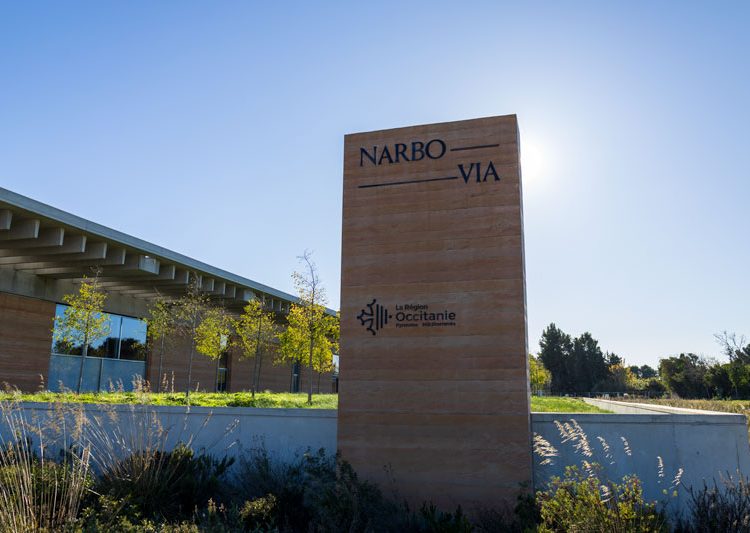
 Opened in 2021, Narbo Via is Narbonne’s flagship Roman museum. This interesting museum is dedicated to showcasing the city’s ancient past as Colonia Narbo Martius – the first Roman colony in Gaul founded in 118 BC and thriving seaport.

The museum is extremely modern, thoughtfully curated and a striking contrast to the usual image of crumbling ruins. Inside, you’ll find over 950 objects on permanent display that have been excavated in and around Narbonne.

Why We Visited Narbo Via Narbonne
As locals living just outside Narbonne in the Minervois, we’re always on the lookout for nearby places to explore. As a result, Narbo Via had been on our list for a while. The museum is modern and eye-catching and we’d often driven past it thinking, “We really should go in one day.” We finally made the visit on a cloudy Sunday in May and here’s what we thought …

What to Expect at Narbo Via Museum
A Striking Modern Building
The building itself is impressive in both size and design. In fact, it made us feel quite small standing next to its vast, sleek structure. The museum’s modern, almost industrial style is a bold contrast to Narbonne’s rich Roman heritage. However, the exterior façade is designed to reflect the appearance of Roman concrete which creates an intriguing blend of past and present.

Our visit began right at the entrance to the museum. A large map of Europe shows Narbonne’s place within the Roman Empire, immediately setting the historical context.

Inside, the museum is incredibly spacious and bright. It has appealing, wide open galleries that invited us to take our time and wander through the exhibits.

Signage about the artefacts throughout the museum is clear and informative. In addition, we appreciated the fact that all information panels are written in French, English and Spanish. This makes them accessible for a wide range of visitors.

Throughout the museum, there are also engaging digital projections that bring the remains of artefacts to life. The use of interactive alcoves provides an immersive experience. Roman buildings and other elements of daily Roman life are reconstructed before your eyes, so that you can experience how the city would have looked over 2,000 years’ ago!

Highlights from the Exhibits
One of the most striking features of Narbo Via is the Lapidary Wall that greets you on entering the museum. This dramatic visual display transports you back in time and immerses you in the scale and grandeur of Roman Narbonne.

The Lapidary Wall stretches an impressive 76 metres long and 10 metres high. Amazingly, it displays around 800 carved stone blocks retrieved from across the ancient city. It’s not just impressive in scale, but also in how it reflects the city’s layered past, quite literally stacked before your eyes!

Beyond the Lapidary Wall, the museum is divided into six thematic sections, each offering a different window into Roman life:
- The First Roman Colony in Gaul
- The City and its Monuments
- Society and Necropolises (Funerary Artefacts)
- Wealthy Urban Residences
- A Merchant Port on the Mediterranean
- Early Christianity in the Metropolis of Narbonne
Besides the many well-preserved artefacts on display throughout the museum, some other personal highlights included the time spent in the immersive digital alcoves. In particular, we enjoyed the short films that vividly reconstructed Le Temple du Capitole and the different types of Roman ships that once sailed into Narbonne’s ancient port.

Another highlight of our visit were the intricately preserved mosaic floors that were discovered during archaeological digs on the Clos de la Lombarde site in Narbonne.

Of course, the smaller, everyday objects on display in the museum (eg. statues, coins, ceramics and games) also really bring the ancient world to life.

Overall, we left Narbo Via with a real sense of how much history still lies beneath our feet as we wander around modern Narbonne from day-to-day.
Practical Information
Opening Hours Narbo Via Narbonne
Narbo Via is open every day except Mondays, with hours that vary slightly by season.
May to September: 10:00–19:00
October to April: 10:00*–18:00 (*Narbo Via website states 10:00 not 11:00 as per photo, so please check before you visit.)

Cost of Admission to the Narbo Via Museum:
Adults: 9 €
Under-18s: Free
Temporary exhibitions: 7 €
18–26 year olds: Discounted Multipass available
Combined tickets are also available for other local Roman museums like L’Horreum in Narbonne (an intriguing Roman underground warehouse) and Amphoralis (Roman pottery workshops) in nearby Sallèles-d’Aude.


Personal Tip: Narbo Via is FREE to visit on the first Sunday of each month, including the temporary exhibition – but you must book your tickets online in advance. We took advantage of this offer, which made our experience at Narbo Via even more rewarding. The temporary exhibit during our visit was “Escale en Méditerranée romaine – Les ports antiques de Narbonne”.

Café/Restaurant Facilities:
At the entrance to the museum, there is a small café/restaurant called Cadence au Musée. This is open from 10:00 to 17:00 (closed Sundays and Mondays). However, the café was closed on the day we visited.

Personal Tip: Alternatively, you can eat in Narbonne’s historic centre. This is an easy 16-minute walk away from the museum and here you will find a wider choice of places to eat and drink. Discover some of our favourite restaurant picks in our full guide to Things to Do in Narbonne.
Parking at Narbo Via:
Limited on-street free parking is available near the Narbo Via museum. However, as locals who frequently visit Narbonne, we’ve got a better personal tip for free parking in the next section!
A Local’s Tips on Visiting Narbo Via
When to Go:
If you want a quieter experience, we recommend visiting Narbo Via out of season or on a hot summer’s day, when most people are enjoying the beach at nearby Narbonne Plage.

Weekends can be a bit busier with local visitors, especially when the weather is cooler. As with most attractions, the museum is usually less busy earlier in the morning or later in the afternoon, so time your visit accordingly if you prefer to avoid the crowds.

Another good time to visit Narbo Via is to take advantage of temporary exhibitions and special events organised by the museum. We were lucky enough to see a contemporary dance performance during our visit.
Where to Park for Narbo Via:
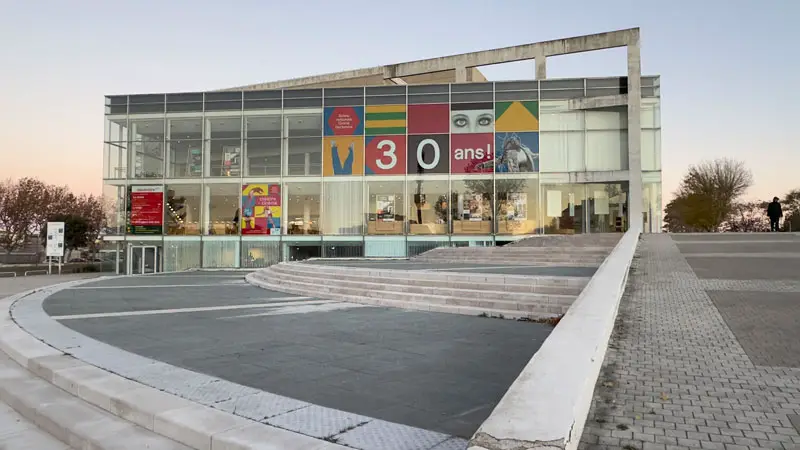
Our go-to parking spot is the free car park behind Narbonne’s theatre and cinema complex. Conveniently, this car park is only a short 5-minute walk to the museum. From here, you can also catch the free navette shuttle into Narbonne’s historic centre or enjoy a 15–20 minute stroll along the picturesque Canal de la Robine.
Other Roman Sites to See Nearby:
Narbo Via is just one part of Narbonne’s rich Roman heritage. If you’re interested in discovering more about the city’s Roman past, here are a few other sites worth exploring:
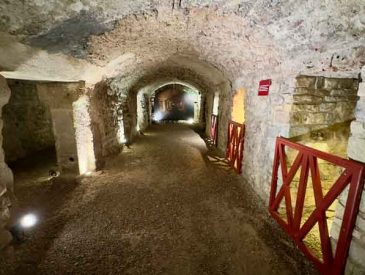
- The Roman Horreum: A fascinating network of underground storage tunnels used for grain and goods in Roman times. The Horreum also forms part of Narbo Via’s Multipass ticket. Read our other article to find out more about this unique site in Narbonne.

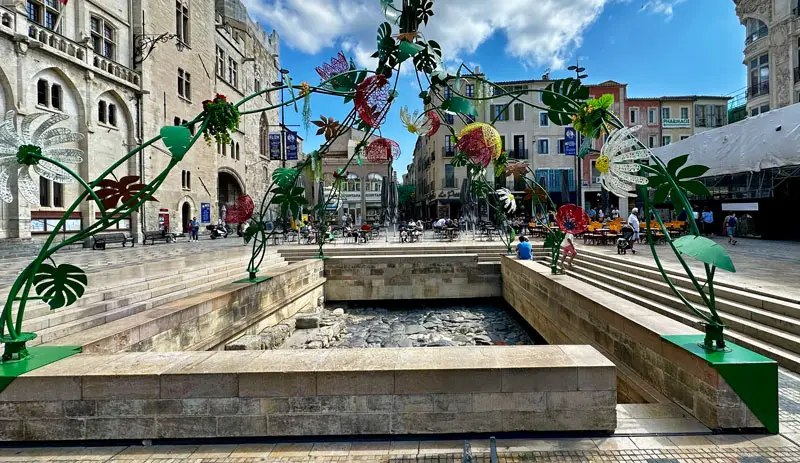
- The Via Domitia: The remains of the Via Domitia (the first Roman road in Gaul) are clearly visible in front of Narbonne’s Palais des Archevêques. This open viewing area is FREE to visit and offers a rare, undisturbed view of this ancient Roman road.
- The Clos de la Lombarde: An archaeological site in Narbonne featuring two domus (Roman town houses) and thermal baths where many of Narbo Via’s mosaics and artefacts were uncovered.
- Amphoralis: A Gallo-Roman pottery museum and reconstructed workshop site in the nearby town of Sallèles-d’Aude. Amphoralis also forms part of Narbo Via’s Multipass ticket.
- The Oppidum d’Ensérune: A fascinating hilltop archaeological site west of Béziers, with remains of a pre-Roman and Roman settlement and panoramic views of the Étang de Montady.

Is Narbo Via Narbonne Worth Visiting?
Yes, Narbo Via is absolutely worth visiting. It’s a striking, modern museum that brings Roman Narbonne to life through immersive exhibits, digital reconstructions and a superb collection of artefacts – all housed in an impressive contemporary space.

We appreciated the museum’s clean design, multilingual signage and clever use of media to enhance the experience. The Lapidary Wall alone is worth the visit! The museum also does an excellent job of balancing interest with education about Roman times.

If you’re staying in or near Narbonne, it’s an easy and rewarding cultural outing, especially on hot or rainy days. For Roman history lovers, it’s a must-see! For casual visitors, it’s a surprisingly engaging insight into the city’s ancient past.